As an Amazon Associate I earn from qualifying purchases

Herbal remedies have a centuries long history. Our ancestors used herbs as medicine because they had no choice.
Rather than use a chemical cosh, you can try herbal remedies to take control of your own life - look after your own health and empower yourself.
You will need to be aware of the medical implications - if you are already taking pharmaceuticals, then speak to your doctor about trying herbs as a solution - some drugs react badly with herbs and you need to know that you are not going to do more harm than good.
Many conventional drugs are derived from plants - aspirin from willow bark, digoxin from foxgloves, morphine from the opium poppy, for instance but are not necessarily safe or accessible to use in their natural form.
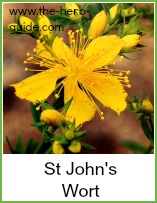
St Johns Wort is routinely prescribed in Germany to relieve mild depression, peppermint tea is a common remedy for an upset stomach - read on to find out how you can take control of your own well being, but be very cautious if you are already taking medication.
The information on this website is in no way intended as medical advice and nor should it be taken as such. If you have a medical condition, you must consult a Herbal Practitioner or a Medical Doctor.

You can try a sample lesson to help you decide if the Herbal Academy of New England is the right choice for you - click the link below.
Preview Lesson from the Introductory Herbal CourseI bought the Herbal Academy Deluxe Herbal Medicine Kit - here's the unboxing video I did of it.
It's got a fabulous selection of herbs and some wonderful recipes for you to try, some of them featured in their Herbal Medicine course.
If you're pregnant or suffer from a long term illness, such as diabetes, then also consult before you give herbal treatments a try.
Mint Tea RecipeThis mint tea recipe could give you relief from indigestion and
flatulence. It can relieve some of the symptoms of irritable bowel
syndrome.
Sage
Sage is an excellent herbal remedy. It's one of my favorite remedies and I always have a plant in the garden and a tub of dried.
Herbs for Snoring
Find out which herbs are helpful to combat snoring, plus other methods for self help.
Tea or Tisane?
Different herbs and their uses - instructions on how to make a tea or tisane.
Top Five Herbs for Kids
Five great kids herbs, safe and easily obtainable. Keep them in the cupboard in dried form and you'll be able to make your own tea in 10 minutes.
I have used lavender in the bath for a relaxing soak, and burned thyme oil to relieve sinuses when I have a cold.
I use my herbs and oils remedies in preference to commercial products.
I follow a mediterranean diet - high in vegetables - I use herbs and spices daily. I treat my food as a medicine and rarely ail anything.
In this section, I intend to bring news of the latest developments and findings and also some ancient remedies.
Herbs are natural, but bear in mind, they're not always safe - you need to do your research before trying a herbal cure.
Consult your doctor or chemist/pharmacist to see if the remedies you want to take will interfere with any medication you may already be on.
I may receive a commission if you purchase something mentioned in this post. See more details here This will not affect the amount you pay.