As an Amazon Associate I earn from qualifying purchases

Organic Gardening
If you're trying to do your gardening organically, then you'll need to know about environmentally friendly pesticides.
It's hard to get the right balance. The organic experts tell you that you should be gardening with nature. If you've got the right balance with your plants, then your garden will be healthy, heal and look after itself. A well balanced garden can take a few years to achieve.

You can try a sample lesson to help you decide if the Herbal Academy of New England is the right choice for you - click the link below.
Preview Lesson from the Introductory Herbal CourseIn the meantime, if you're just starting out on the organic gardening trail, there will be times when you will find yourself with an 'imbalanced' plot. You will probably get diseases and most certainly some type of aphid will visit or you'll get mildew, rust, scab or blight.
If that's the case in your garden and you don't want to reach for chemicals, then try these organic remedies.
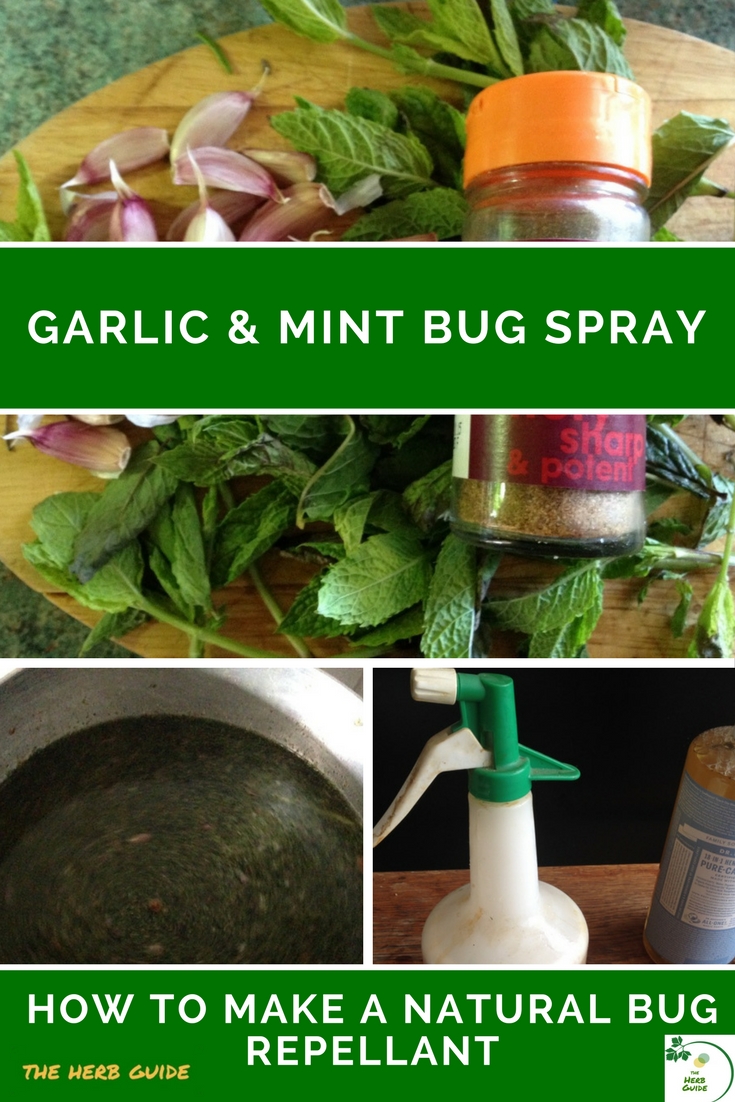
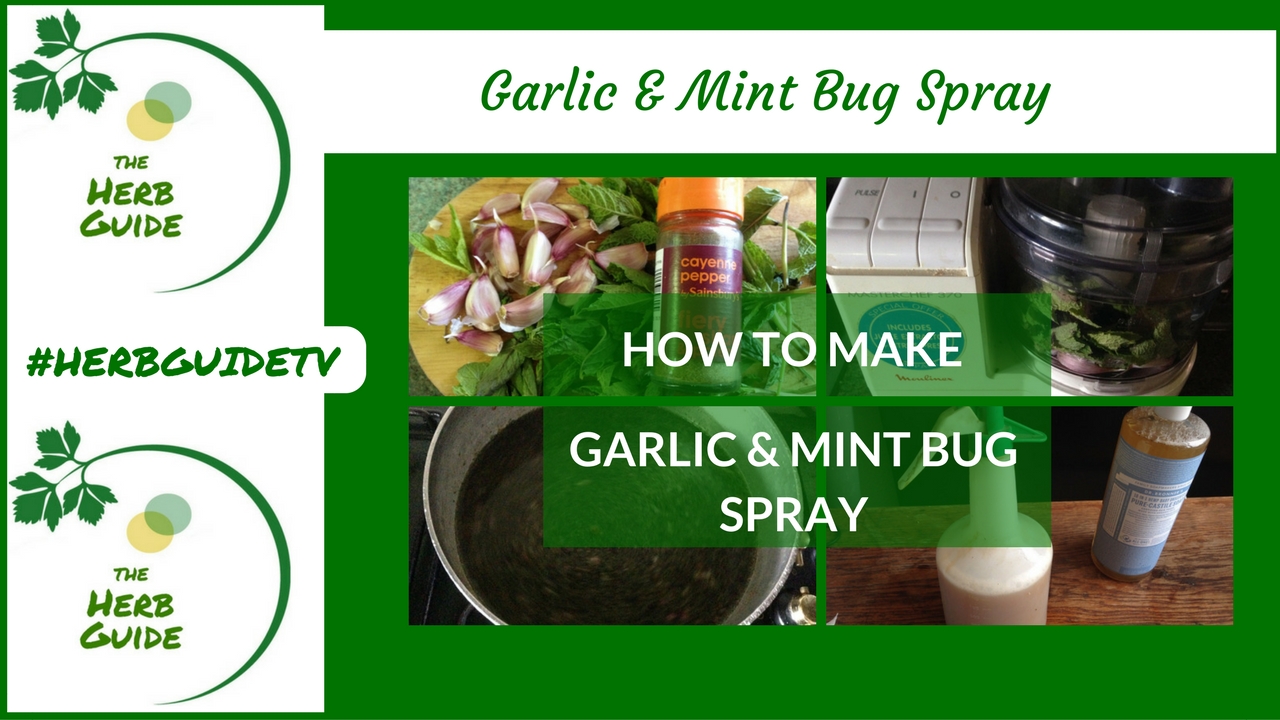
This garlic and mint bug spray is very powerful - I've used it many times. You need to gauge when the 'good' insects have done their pollinating and zap the harmful ones.
I had moths laying eggs in my olive tree which came along *after* the blossom had been pollinated. I picked off the ones I could see and gave the tree a spray with this - it worked a treat.
I also had a problem with something eating my arum lilies - I think it was slugs - anyway, one going over with this and the leaves came back lush, green and most importantly, no holes!
- Water. The first line of attack for aphids.
You can rub off the aphids by hand and then hose the plants. This sometimes works if you've caught the infestation early
enough.
- Stinging nettles are good all rounders. Take about a half pound (quarter kilo) of young nettles and soak them in a bucket of water for a week. Strain off and spray the liquid to control aphids. Don't throw away the nettles. You can add them to your compost heap. They will make a good organic fertiliser if you chop them into the ground as well.
- Elder. Use about a pound (half a kilo) of young stems and leaves. Boil in 6 pints (3.5 litres) water for half an hour. Strain the liquid and allow it to cool a little. If you bottle it hot, it will keep for 3 months or so. This spray mixture will control aphids and young caterpillars. You can also use it as a fungicide for mildew and blackspot.
- Rhubarb. The oxalic acid in rhubarb leaves controls aphids. Cut about a pound (half a kilo) and boil in 2 pints (1.1 litre) of water for half an hour. When cool, add one dessertspoon of soap flakes and shake to dissolve. Then use this to spray the affected plants.
- Garlic. Be careful with garlic as it will kill good insects as well as pests. Treat only the affected areas. Make a liquid by crushing a couple of heads of garlic and allow them to steep in 1 pint (0.5 litre) of water for a couple of days. Paint the liquid onto the affected areas. It will control aphids, mildew, rust and blight.
- Milk. Use 1 part milk to 9 parts water and use as a spray where plants have been affected by mildew. Don't use anything stronger than 3 parts to 9 parts milk as it will go rancid.
If you're going to spray with a pesticide, even an organic, natural one, then do it in the evening, when the sun's gone down and the bees have returned to their hives. Also, don't spray when it's windy or you will get a 'drift' from affected plants to healthy ones.
Where would you like to go next?
I may receive a commission if you purchase something mentioned in this post. See more details here This will not affect the amount you pay.